It's around 10pm one evening in early March and I get an email: "DocuSign: Signed." We're in contract.
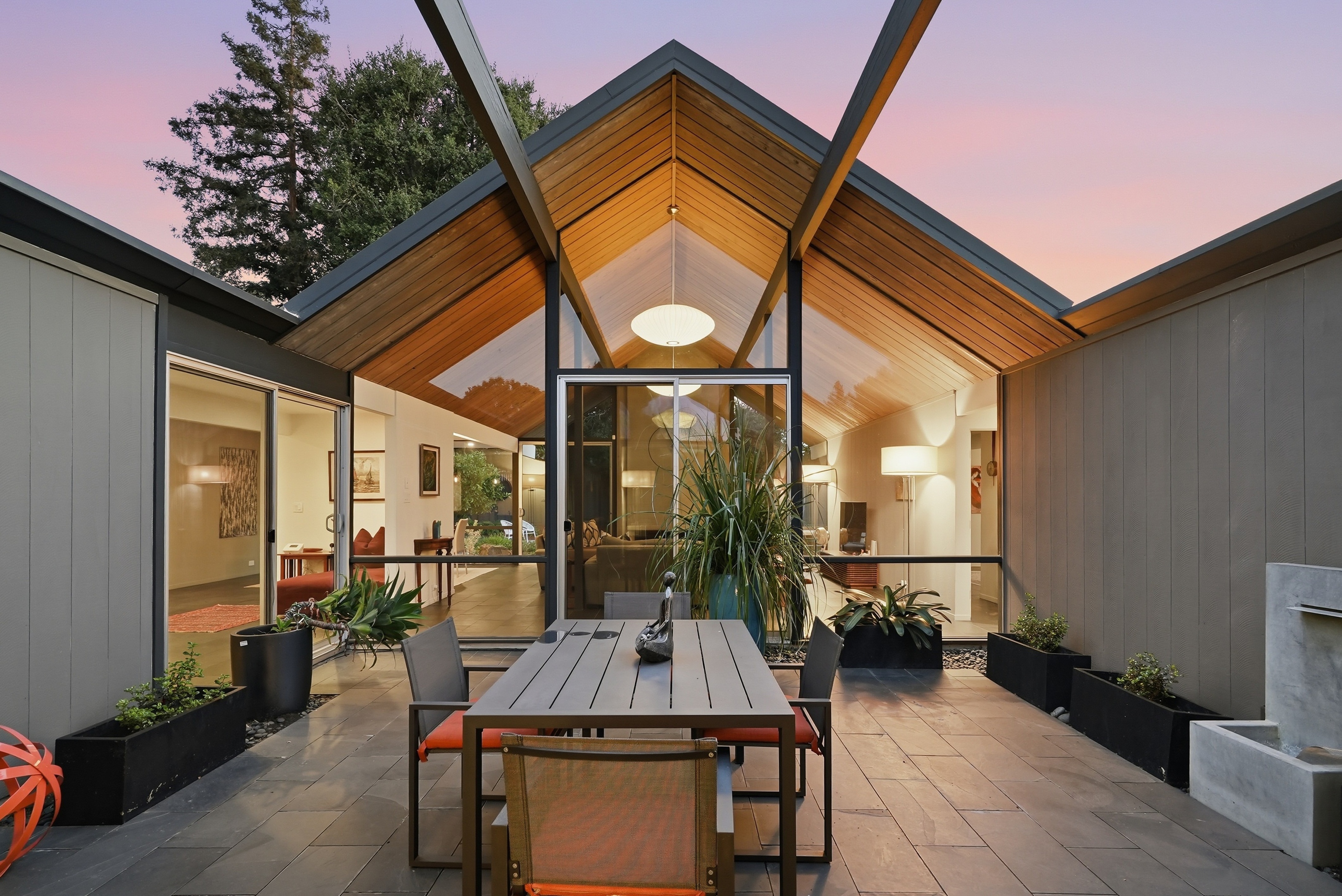
Twenty-four hours earlier, we had listed a $5M Eichler home in Los Altos. 1-Day-On-Market. A neighborhood price per square foot record had been set.
The ink is barely dry and I'm already excited about what comes next—I'm launching McMullen Properties, my own firm right here in Silicon Valley. After 10 years and ~$115M sold, it felt like the right time for something new. Something that actually brings homeowners value. It's not just about representation anymore—it's about setting neighborhood sale records every time.
Here's what I believe: Clients don't need the skillset of a 1990's agent anymore. They don't need a door opener or someone to search Zillow for them. Clients need mastery and execution. They need to move faster than the market they're competing against to make (or save) the most money in the one transaction they'll do this decade.
This essay is the thesis behind McMullen Properties.
Part One: The Day Before Going Live
Let me tell you exactly what happened with 1694 Clay Drive.
The day before we listed, I did something unconventional: I walked the 5-6 different Eichler-dominant neighborhoods between Los Altos, Mountain View & Palo Alto knocking on ~ 150 Eichler doors. Not emails. Not mailers. Doors. One by one, I invited every homeowner I could reach to the "Eichler Social"—an event I was hosting Thursday evening at the property.
Why? Because I know this community.
Eichler owners are passionate about the architecture. They talk to each other. They have friends, colleagues, and family members who've said for years, "If you ever hear of an Eichler coming up for sale, let me know." The buyer for a newly listed Eichler is almost always already in someone's sphere—they just need to know it's available.
So I went to them first.
The Timeline:
Wednesday 5pm: Pre-market offer arrives.
Wednesday 11pm: On market via MLS.
Thursday 4-6pm: The Eichler Social.
Thursday 10pm: In contract.
The setup was flawless. We used the pre-market photos to distribute the property through Compass's Private Exclusive network. We encouraged pre-market offers. Then we used the market itself—the threat of public competition—as the ultimate leverage when terms weren't met.
We went on market anyway—not to find a different buyer, but to create competitive pressure that forced the original buyer to meet the terms my clients actually wanted.
By Thursday night, they had exactly what they'd dreamed of just days earlier. Not because the market handed it to them. Because we engineered the situation to produce that outcome.
That's what the agent did.
Part Two: The Three Pillars of Value
The agents who survive the next two years will do exactly three things. Everyone else is already obsolete—they just don't know it yet.
1. Tangible Value Creation
The best agents don't just sell houses. They see the $200K hiding inside a property—the ADU potential, the unpermitted square footage that can be legitimized, the $40K kitchen remodel that returns $120K at sale.
That's always been the most valuable skillset. What's new is the access homeowners now have to the tools.
We created the Maximum Property Value Calculator. You paste your property's Zillow link into our app and our AI pulls comps from the MLS, finds the highest price per square foot in your area, and maps it against your lot's buildable potential. The result is your Maximum Possible Value—a data-backed ceiling for what your property could be worth.
Free, instant, no sign-up required.
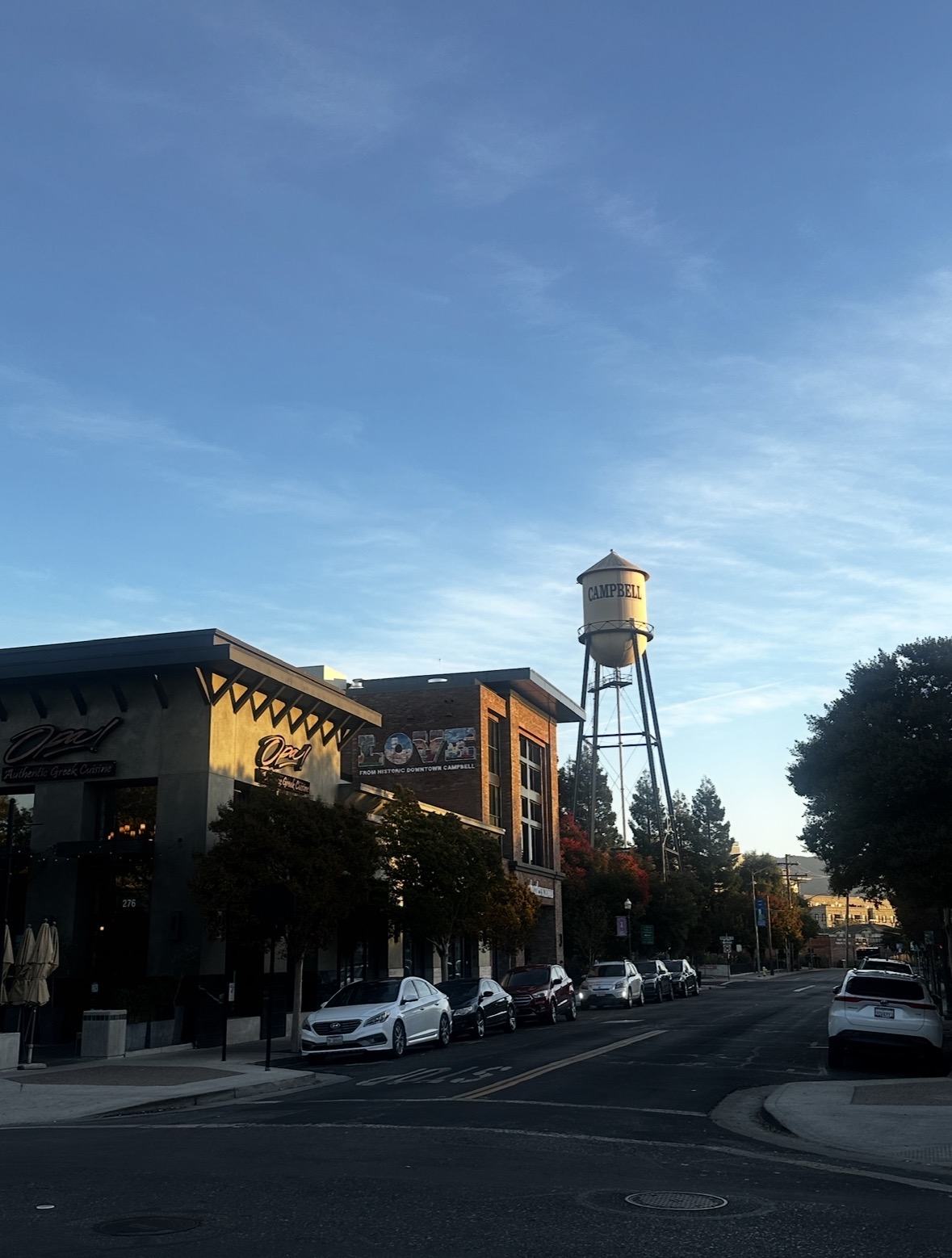
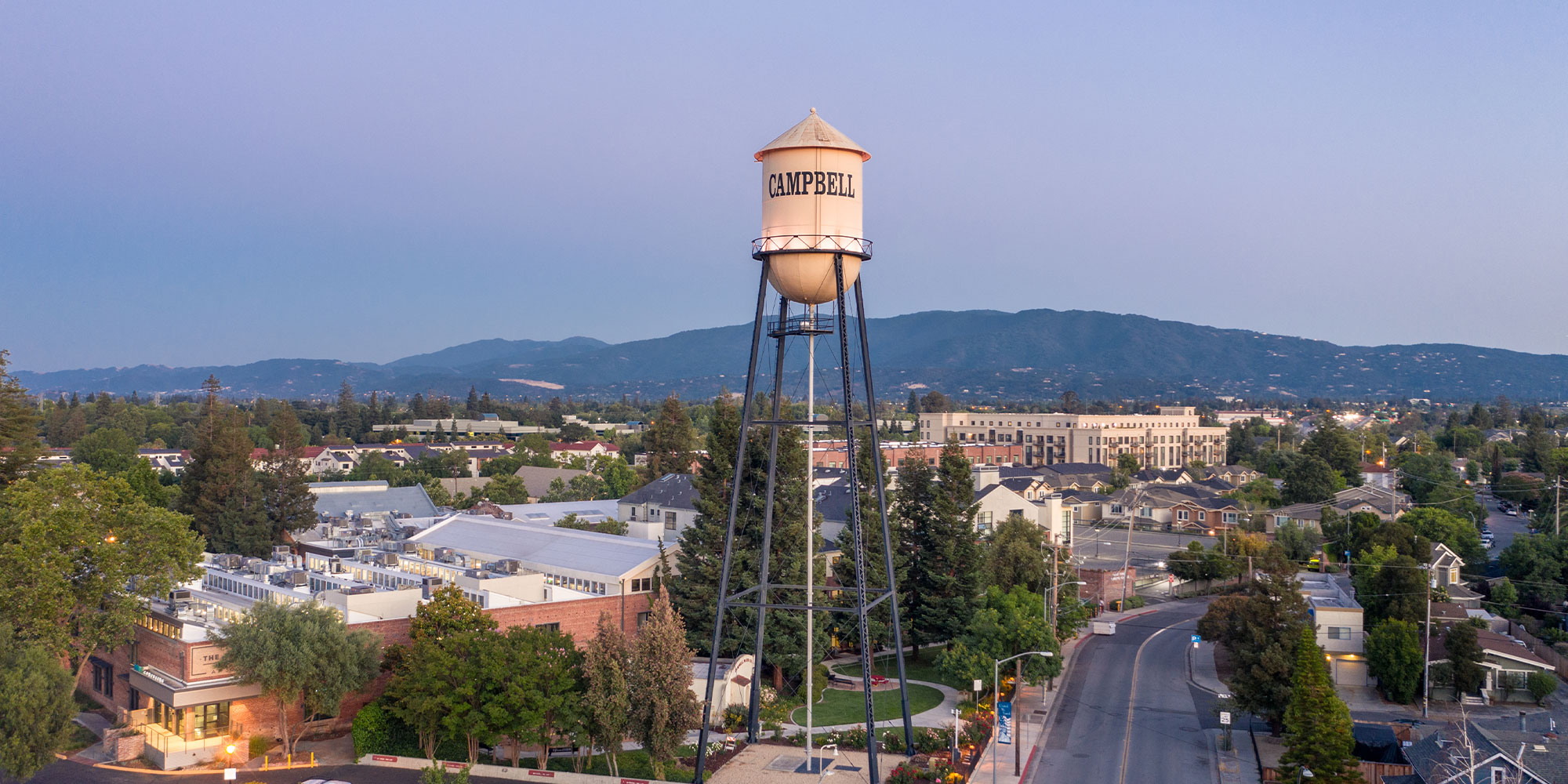
Campbell residents can now receive a detailed value assessment and roadmap to achieve that value—40-60 hours of work from a seasoned developer in the past—within 24 hours. Knowing how valuable an asset could be is the first step in any appraisal.
Here's the key insight: A property can be worth whatever the nearest, highest-valued property with similar lot size is worth, if you improve the structure to comparable standards.
This reframes everything. Your home isn't worth what the market says it is today. It's worth the maximum possible value in your immediate area—if you know how to close the gap.
The next-generation agent walks your property and sees what isn't there yet: the ADU that pencils out, the unpermitted square footage that can be legitimized, the $40K kitchen refresh that returns $120K at sale. They have the contractors, the permit relationships, and the project management chops to actually deliver that value before you ever hit the market.
That's what I've built. A one-person development operation inside a real estate practice. I don't just list your house—I tell you exactly what to build, connect you with the crews to build it, and then sell the result for a neighborhood record.
2. Proprietary Data
Being ahead of the game is the precursor to success in real estate. If you see it on Zillow, it's too late to get a good deal.
We're focused on building the best database of real estate opportunities in Silicon Valley—which tends to lead to finding some unique and interesting off-market deals.
For sellers, this means I can bring you the buyer directly—no waiting, no open houses, no months on market. My network includes tech executives, developers, and investors who are actively looking but aren't wading through the public MLS.
For buyers, this means I can find properties before they ever go public—before you're competing against twelve other offers in a bidding war.
The agents building these datasets today will own the market tomorrow. Everyone else will be fighting over the same stale listings on Zillow.
3. Mastery of the Irreplaceable Skill: Getting Two People To Agree
Fear, ego, attachment, money. Every deal comes down to two people who see the same house and the same number differently.
Reading the room, defusing tension, guiding both sides to yes—that's the one thing no algorithm replaces.
Ten years of negotiations is the foundation McMullen Properties is built on. The AI handles the data. The human handles the room.
Every deal has a moment where it nearly falls apart. The seller who thinks their house is worth more than it is. The buyer who's terrified of overpaying. The transaction that almost dies at 11pm because someone got cold feet.
Technology can surface the data. It can't sit across the table from a nervous first-time buyer and help them see that this is the right decision. It can't read the room during a negotiation and know when to push and when to pause.
The agents who become experts in human psychology—who can navigate the emotional complexity of the largest financial decision most people will ever make—those are the agents who will still have careers in five years.
Part Three: The Tools I've Built
In the era of one-person organizations with the ability to build any software needed to complete a task, improve client experience, or solve a specific problem—as well as produce top-tier marketing assets, directly target specific groups with messaging, and automate the majority of agency processes—the true value of the agent comes down to two things:
- Deal making. Getting two people to agree.
- Building tools that create tangible value for specific client niches.
That second piece is where the future lives.
Maximum Property Value Calculator
Visit mcmullen.properties/campbell and you'll find the "Discover Maximum Property Value" calculator. Here's what it does:
Every flip has a ceiling. There's a maximum buildable square footage on any given lot—determined by county code, setbacks, lot size, zoning. And there's a maximum price per square foot that the immediate neighborhood can support.
Multiply those two numbers, and you get the theoretical maximum value of a property after a full-scale development.
Why did I build it? Because developers are my clients. And if I can help them make better decisions faster, I become valuable before we ever talk about commission.
That's the model. Build tools that solve specific problems for specific client niches. Accumulate those tools into a portfolio of value. Make every client's experience better, their decisions sharper, their outcomes more profitable.
Disclosure Review (24-Hour Turnaround)
Every property you're considering comes with a stack of documents: inspections, disclosures, HOA financials, title reports. Most buyers don't read them—or don't understand what they're reading.
We review every document within 24 hours and walk you through the findings on a video call. You'll understand exactly what you're buying before you make an offer.
The Bayside Pavers Partnership
Here's something most agents don't offer: direct access to elite renovation crews at factory-direct pricing.
Through our exclusive partnership with Bayside Pavers, I can get you free 3D designs, exact contract pricing, and workmanship warranties for hardscape and landscape projects. Most projects complete in under two weeks.
Why does this matter? Because the $40K backyard renovation that returns $120K at sale isn't theoretical for my clients. I can actually make it happen.
Part Four: The Uncomfortable Truth
I'll say it plainly: most real estate agents will be out of business within two years.
Not because they're bad people. Not because they don't work hard. But because the value they provide—the manual, relationship-based, show-up-and-shake-hands model of real estate—is being replaced by technology that does it faster, cheaper, and at scale.
AI writes listings. AI analyzes comps. AI schedules showings, generates marketing, answers questions at 2am. Within two years, one agent with the right tech stack will service hundreds of clients—work that currently requires entire teams.
The ones who survive will be smaller in number and larger in capability. One agent serving hundreds of clients. Better tools for every niche. Better service per transaction. Better results for the client.
Less agents. More clients per agent. Higher value per transaction.
This isn't a prediction. It's already happening.
Part Five: What This Means For You
If You're Selling
You only sell your home once this decade. Maybe once in your lifetime. The difference between a good agent and a great one isn't 1%—it's $50,000, $100,000, sometimes $500,000.
Here's what working with me looks like:
First, we assess the gap. Using the Maximum Property Value calculator, we identify exactly how much unrealized value exists in your property.
Second, we build a roadmap. If improvements make sense, I connect you with the contractors, the permits, the project management to make it happen. If selling as-is is the right call, we move fast.
Third, we engineer the sale. Pre-market offers. Private Exclusive network. Eichler Socials. Whatever it takes to create competitive pressure and extract maximum value.
Fourth, we close. My average is 103% of list price. That's not marketing—that's a track record.
If You're Buying
The MLS is a lag indicator. By the time a property hits Zillow, you're already behind.
Here's what working with me looks like:
Off-market access. I maintain relationships with sellers, developers, and investors who move properties before they go public.
24-hour disclosure review. You'll understand every document before you make an offer.
Negotiation expertise. Ten years of deals means I know when to push and when to pause.
Value identification. I'll show you the $200K hiding in any property—so you know exactly what you're buying and what it could become.
If You're an Investor
Visit the Investor Hub at mcmullen.properties/investor-hub for property calculators, 1031 exchange guidance, market analysis, and co-investment opportunities in Bay Area deals.
I'm actively sourcing off-market opportunities for developers and flippers. If you're looking for deal flow, let's talk.
The New Standard
This is why I'm excited. Not because the old model is breaking—because the new one is so much better.
Better tools for clients. Better results for sellers. Better access for buyers. Better data for investors.
McMullen Properties isn't a traditional brokerage. It's a technology-first, results-obsessed real estate practice built for the next decade.
One agent. Every solution.
Ready to Work Together?
Whether you're selling, buying, or investing—I'd love to hear about your goals.
.svg)

.png)











.jpeg)
%20copy.jpg)